By Bruce Taylor
COACHING
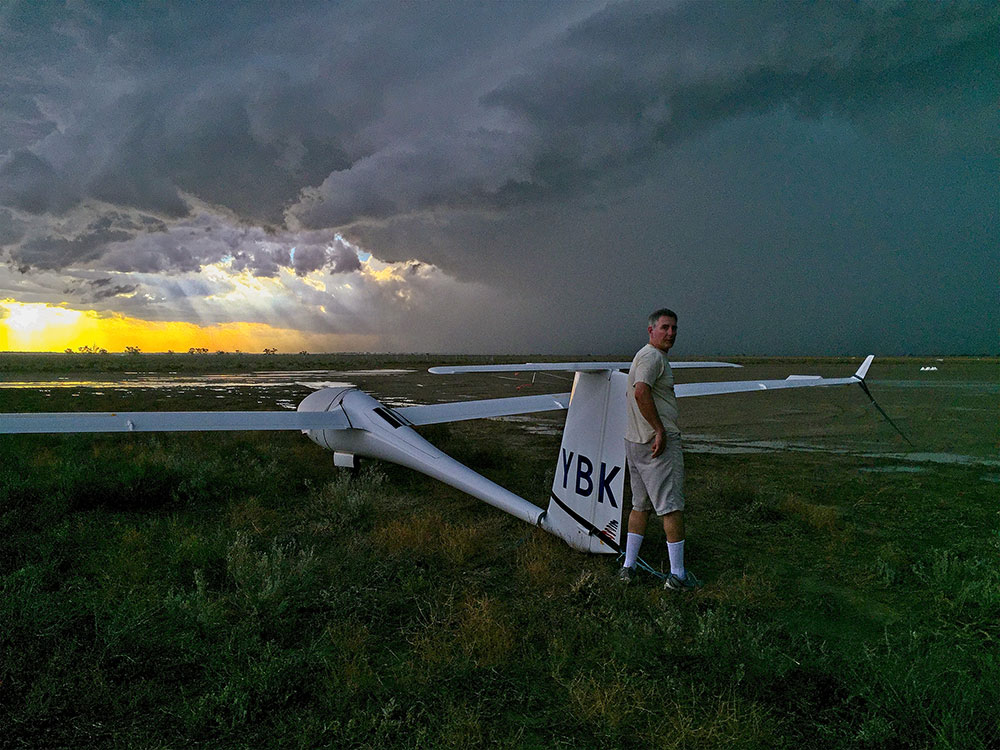
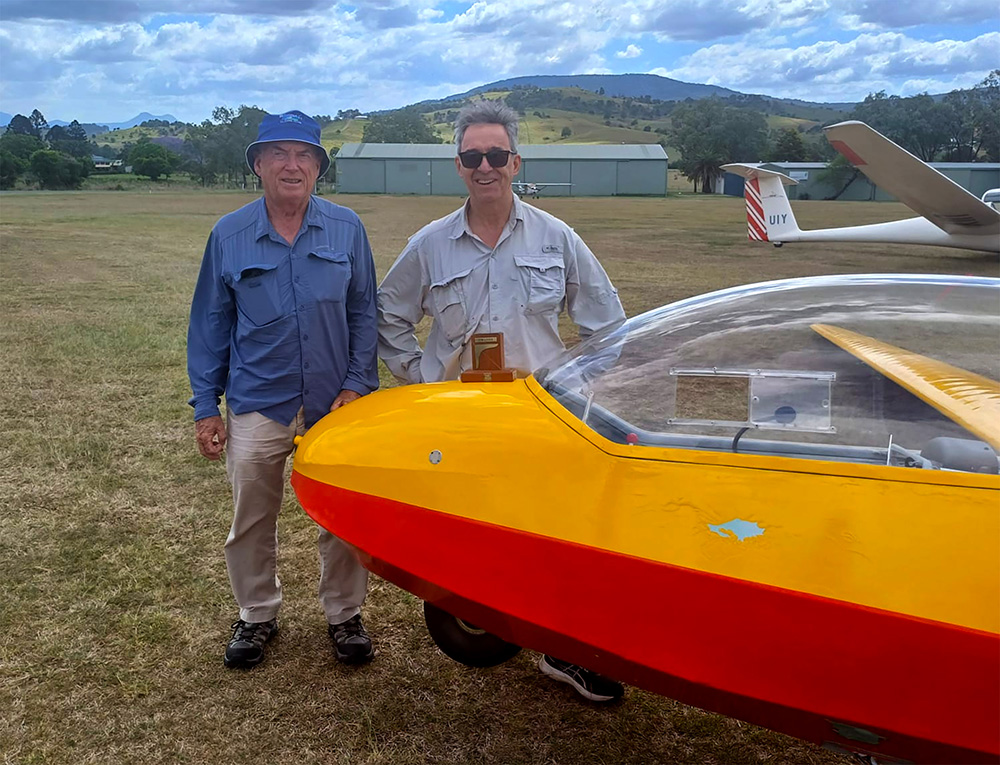
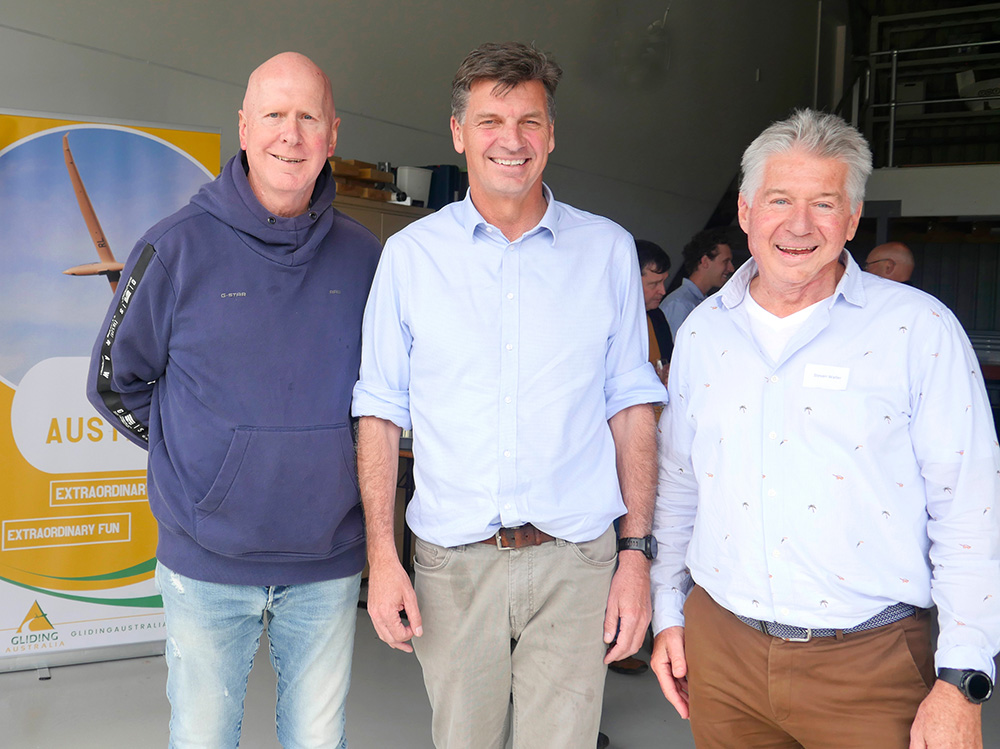
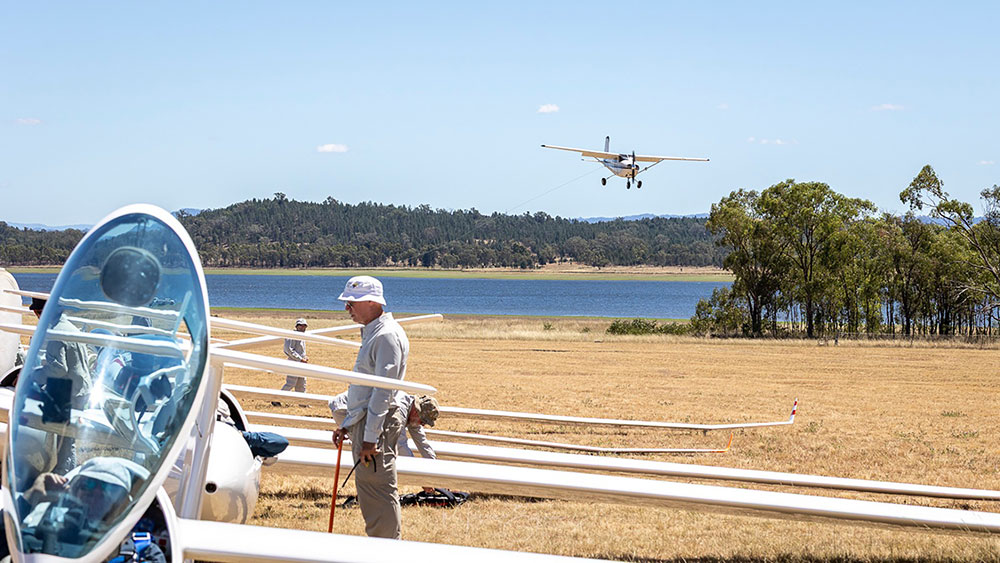
The annual Lake Keepit Regatta took place in February in a good weather window. Coaching was an important part of the regatta, where Bruce Taylor, Ian Steventon and Allan Barnes all flew with different pilots each day. Here, Bruce talks about the critical skill of passing training on to the new generation of pilots.
Coaching at Lake Keepit Regatta 2026
I have some comments to make about our current coaching organisation and about the actual method of passing valuable training on to pilots chasing an improvement in their technique and cross-country speed. Having recently attended the Lake Keepit Regatta as a fine example of a long-standing and very successful coaching event, I should start with some history and to explain the latest, even better incarnation of that event.
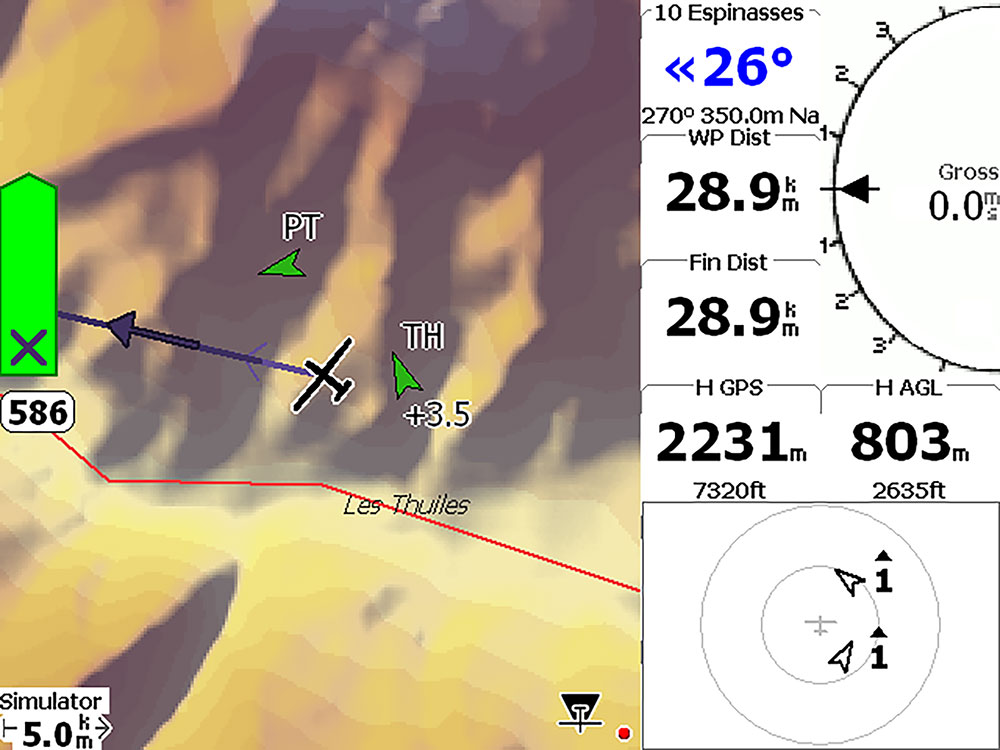
The idea of a coaching week run in conjunction with a friendly competition was suggested quite some years ago, maybe back in the early 2000s, not too long after the Gulgong Regatta ceased to exist, and it immediately became quite a popular event. It introduced the now common coaching practice of attracting experienced cross-country pilots who could help by giving lectures during a briefing in the morning, and then take some of the starters for a coaching run in a two-seater.
Evolution of Coaching Flights
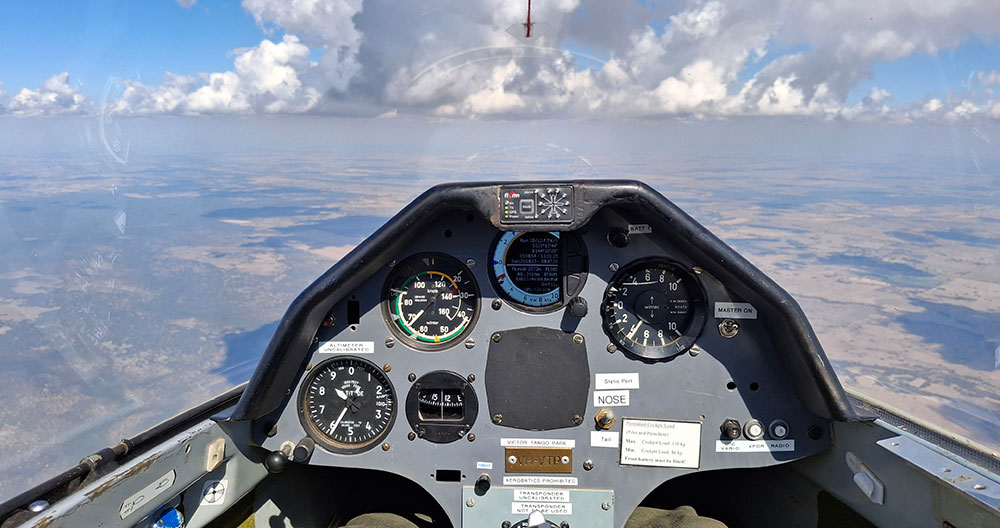
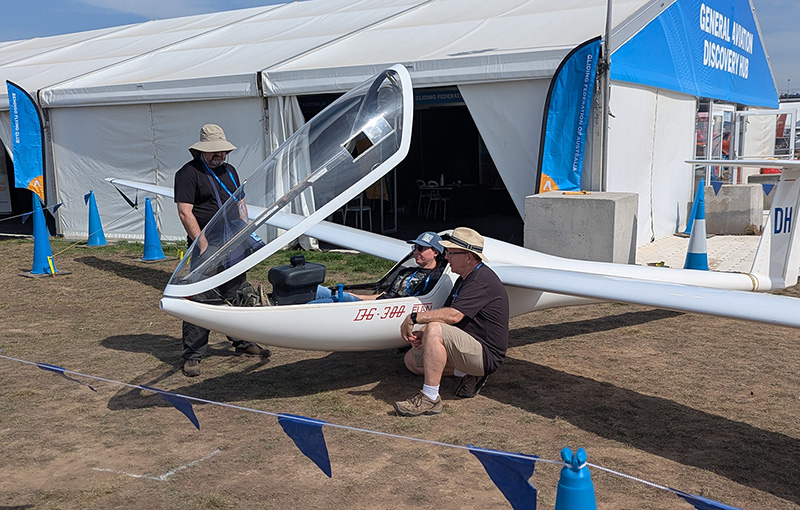
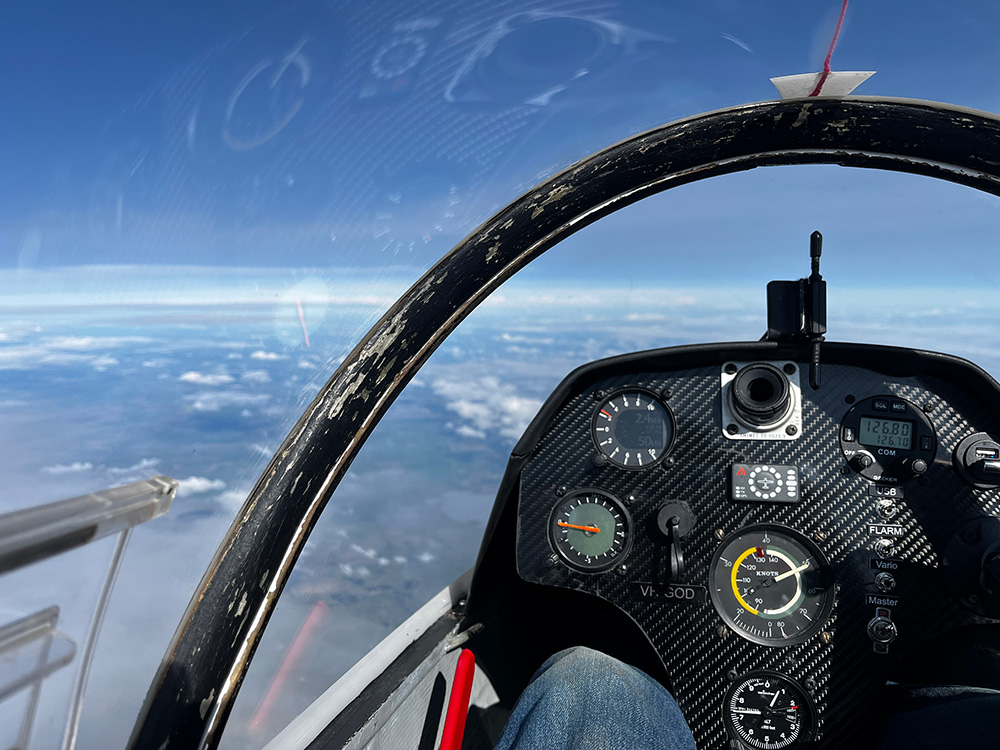
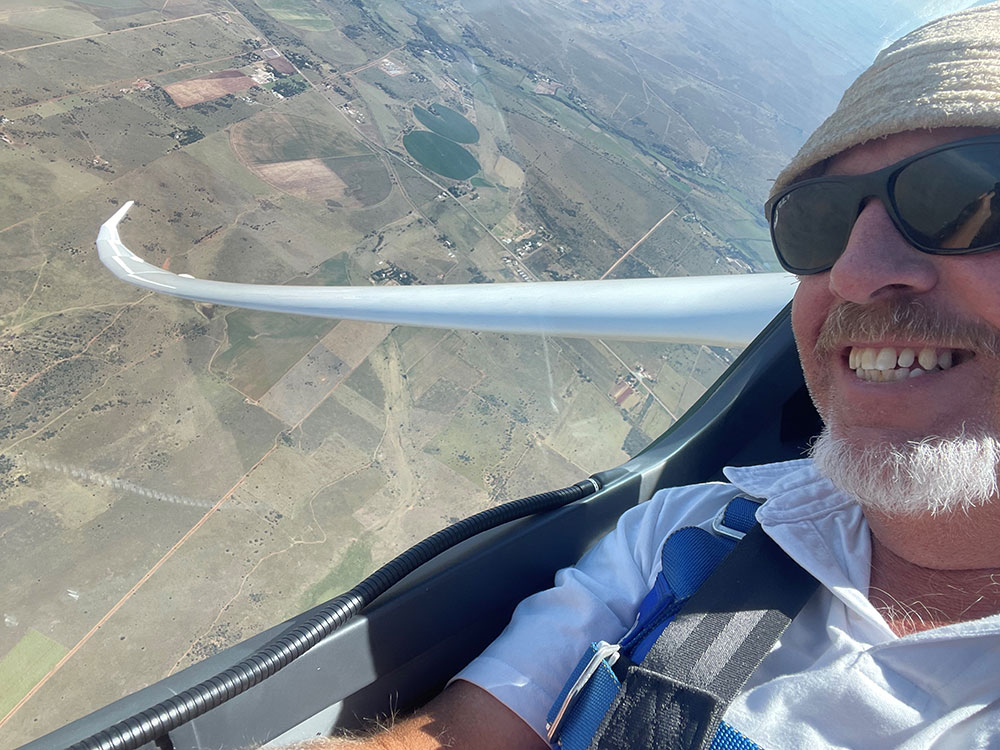
In earlier days, some lead and follow flights were done with one of the coaches in a single-seater and one or two ‘ducklings’ tagging along behind. But, as the number of excellent two-seaters, such as the Duo Discus and the DG1000, became more available, all coaching flights evolved into two-up flights, which is a much-preferred method of training. Being able to speak directly to the student and to demonstrate from within the same cockpit is a valuable asset in transferring ideas.
Last year Kel Burgess and Dave Pickles must have assembled their thoughts while sitting quietly in a back corner, giving each other shared hard times about their respective cross-country abilities, and they decided to put some fresh effort into revitalising the Regatta. This year’s highly successful event was due mostly to this pair and their diligent groundwork. The week ran smoothly. As far as I could see everybody gained a lot from the coaching, both the morning lectures and the shared in-flight learning, and it was incredibly successful as a social event.
Keeping Safe at Keepit
An important element of this year’s Regatta was a very solid grounding on the whole safety aspect of operations at Keepit. It related particularly to the Regatta and close flying in company, but more generally to any aviation operations. Kel pushed these concepts hard, right from the beginning, and they became a regular and much more readily accepted part of the daily briefing. This was an excellent initiative from Kel and Dave, and a wonderful display of a very professional but friendly approach to safety culture modification.
All About Students, Not Coaches
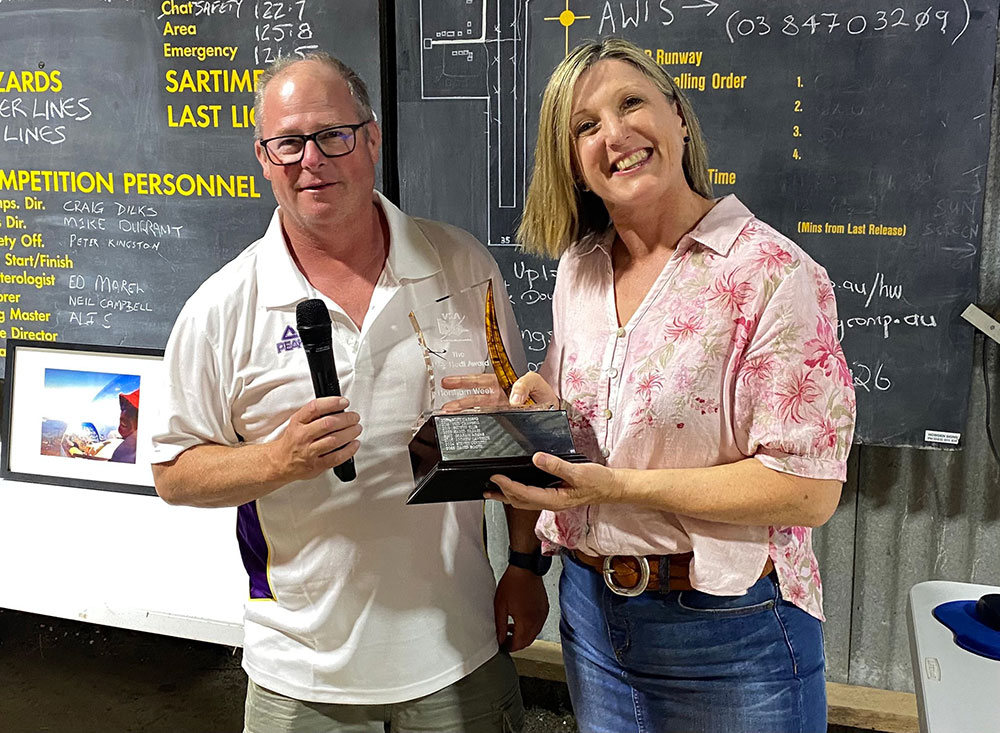
Another change is a move toward more recognition of those doing the learning, rather than the teaching. Some years back one of the higher ranked coaches won the event, but when he was presented with the trophy he immediately passed it on to the pilot who had placed third, Justin Smith, in recognition of his large improvement and future potential.
The event was not seen as another opportunity for the established pilots to win a trophy, but more about the coaching and progress made by other entrants. As it turns out, Justin has now become one of those doing some coaching and has a lot to offer. This idea has followed on with coaches being considered as invalid entrants in the competition.
Coaching – a Human Process
After many years of involvement in the coaching game, all the way from pre-solo to helping world comps entrants to lift their game, it feels to me that some comment should be made about the process. We are in the game of education, and to my mind there is too little emphasis on the human side of that game. As coaches or instructors, we are told and tested on our ability to know WHAT to teach, and very little on HOW to teach it.
We all understand by now that people learn new ideas in different ways. Some work best by hearing the idea, by being told, while some like to watch and see the technique demonstrated to them. Others understand better if they are doing it themselves, accompanied by verbal instruction or corrections. Furthermore, everybody is different in how they prefer to hear praise or corrections to their technique.
None of this is easy, and of course, as coaches we should also have learned some things… the first one being how to teach! To successfully pass on an idea or an improvement in technique is hugely satisfying from my point of view, and likewise hugely frustrating if I cannot figure out how my student needs to have this idea presented to actually understand the changes required.
From Intuition to Instruction
Personally, my greatest challenge is converting an intuitive decision into easily understood words for my student. So one of the really neat things that occasionally comes about is landing after a flight with the feeling that you have learned at least as much about coaching as your student has learned about cross-country flying! That experience really is satisfying.
So, after all these years I would like to make a request that those in charge of organising coaching either put more effort into helping us to be teachers, or focus more on this quality than on personal competition prowess when selecting coaches. The best coaches and instructors I have had the pleasure of working with are rarely those who are the fastest or most efficient pilots – they are the best communicators.
Relevant Skills
I am typically frustrated by the requirement to demonstrate to the coaching hierarchy some skills that I honestly believe to be irrelevant to the job at hand. This undoubtedly leads to a number of possible coaches becoming so frustrated that they make themselves unavailable. Given the difficulty in getting suitable coaches with something to offer, I feel that the requirements for coaching registration need to be addressed.
At the end of this year’s Lake Keepit Regatta there were so many things to be thankful for. The weather played a huge part in making the whole event work - this aspect is so important and yet completely out of our control. One day was cancelled, but apart from that, there were only a very few outlandings. I’d also like to thank all the participants. They were a lovely group of people, always helpful, appreciative and full of fun. The Keepit Regatta has to be a highly recommended event.