What it does for you
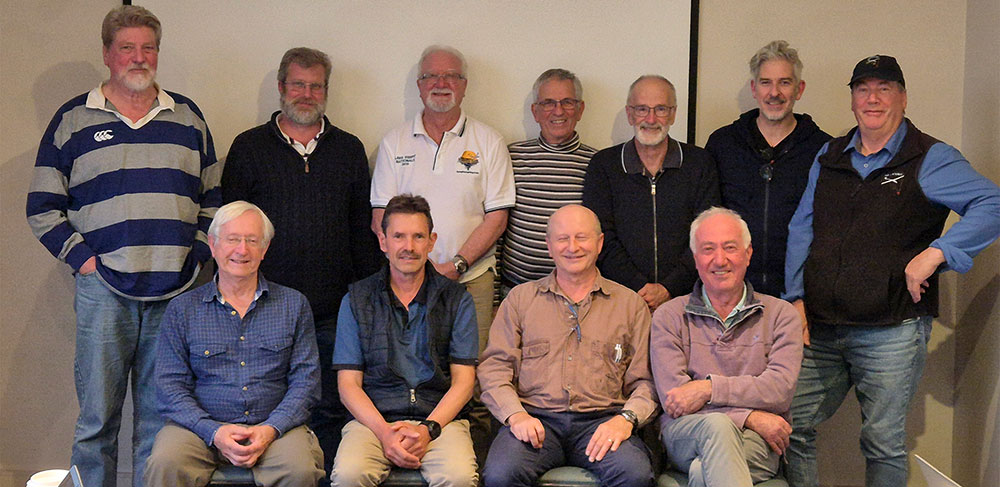
Who are the RMAs?
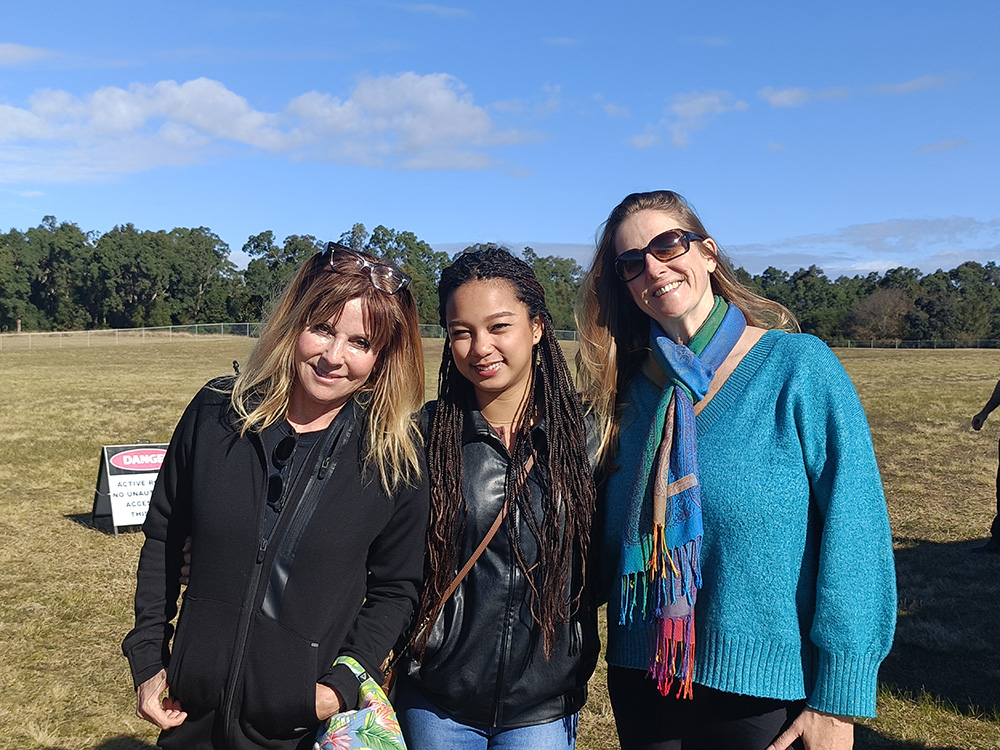
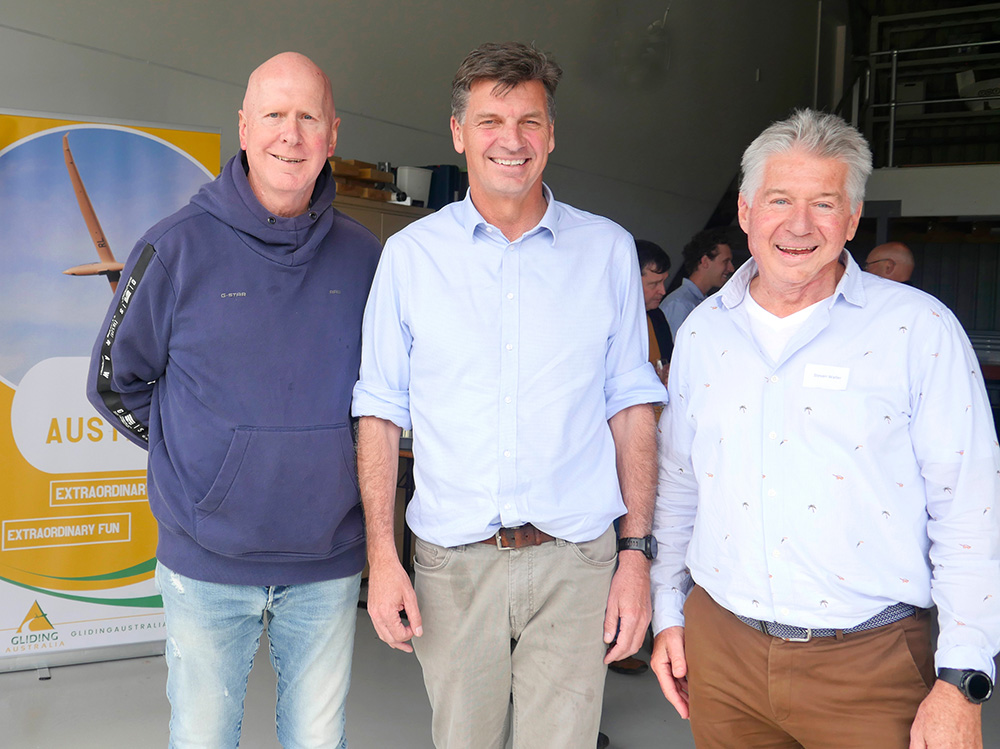
Standing: Scott Johnson (QLD Incoming), Zac Simpkins (QLD), Dennis Stacey (Executive Manager Airworthiness), Lindsay Mitchell (QLD Retiring), David Villiers (Chair of the Airworthiness Panel), John Wharington (Vic/Tas), JR Marshall (SA/NT)
Gliding Australia has three departments that administer various aspects of gliding in Australia. The Operations Panel looks after operational standards, the Sports Development Panel handles competitions and associated matters, and the Airworthiness Panel takes care of the airworthiness of our gliders, powered and unpowered.
These panels are all made up of volunteer members with experience in their various fields. The Airworthiness Panel includes Annual Inspectors nominated by their Regional Associations - these are the Regional Managers Airworthiness (RMA), of which there are one or two in each region. The panel sets policy and procedures for airworthiness management, and works to oversee and maintain the standards of airworthiness for all Australian gliders.
The panel is chaired by a member of the GAus Executive – the Chair of the Airworthiness Panel (CAP). The CAP is recruited separately and appointed by the GAus Board and is required to have appropriate professional experience in airworthiness as well as gliding airworthiness experience.
The work of the panel is critical for the safety of our aircraft, and the jobs can take up a significant amount of time and reduce the time that RMAs have to fly themselves. Many are instructors, some are tug pilots, all are Annual Inspectors, and all are volunteers. Along with their RMA duties, instructors and tug pilots are usually on their own club’s roster.
What do your RMAs do?
For a start, the RMAs are your regional airworthiness experts and advisors. They are all experienced Annual Inspectors, and some have additional qualifications as well. As part of the Airworthiness Panel, they have access to additional advice from other members of the panel as well as the Executive Manager Airworthiness, Dennis Stacey. Your local RMA should always be your first point of contact for any queries about airworthiness, glider maintenance, qualifications or revalidation. As such, they are a valuable resource for Maintenance Authority holders. Both MOSP3 and BSE specify that the RMA is to be consulted in certain circumstances.
The RMAs are also the major contributor to Gliding Australia’s airworthiness assurance system in that they organise and carry out Airworthiness Audits of our clubs, Approved Maintenance Organisations (AMOs) and Maintenance Authority (MA) holders. These audits are intended to both help clubs, AMOs and MA holders maintain the airworthiness of gliders and motor-gliders and to improve their airworthiness management systems. The audits also serve to give the GAus Executive and Board (and through them, CASA) confidence that glider airworthiness continues to meet the expected high standard. This involves a lot of preparation, travel and report writing and on-going follow-up of audit findings.
Defect investigation is another task that falls to the RMAs. Usually, whenever a defect report (SDR) is raised, one or more of the RMAs are assigned the job of defect investigation. This can take considerable time spent either on the phone or at the club/AMO that reported the defect. Some of these investigations involve contacting the Type Certificate holder or manufacturer, or seeking advice from someone more familiar with the issue under investigation. The outcome of these investigations can range from 'no further action' to the raising or amendment of an Airworthiness Notice (AN), an Airworthiness Alert (AWA) or, in extreme cases, an Airworthiness Directive (AD). An example of this is GAus AD 684 Issue 3. This resulted from an investigation carried out by RMAs and the EMA into fuel valve failures in Australia. EASA has now issued an AD mirroring the GAus action for Grob G109 aircraft.
A particularly significant workload is the organisation and running of Airworthiness courses. This is another job falling to the RMAs. A huge amount of work goes into the organisation and running of an airworthiness course, including finding a venue, organising catering and accommodation, finding mentors and presenters for the various modules, obtaining the necessary funding, training materials, training aids and consumables, advertising the course, registering participants and checking that they have the necessary prerequisites, overseeing the evaluation of candidates, and recommending to the EMA the issue of maintenance authorities. That does not include the week or more spent actually teaching the course and mentoring attendees.
However, perhaps the most important part of their job is to contribute to the development of airworthiness policy including MOSP3, BSE and other airworthiness documents and manuals. The Airworthiness Panel works as a group, and their combined wisdom far exceeds that of any individual member. The range of expertise, both in gliding and their employment, adds significantly to the policy development process. The recently published Version 25.1 of BSE is the work of the panel and several other contributors. The current major policy development project that the RMAs are working on is the development of formal syllabuses for each of our maintenance authorities. Already completed (but not yet published) are the airframe Replacement of Components and Annual Inspector syllabuses. Engine and motor-glider syllabuses are under development. To many, this may seem to be just more red tape and more rules to get in their way, but these syllabuses are an important factor in obtaining and retaining our Part 149 Approved Sports Aviation Organisation (ASAO) status with CASA. It will also ensure consistency between courses run in the various regions and enable the development and sharing of common training packages across GAus. The panel is also working on an update to the Airworthiness Schedule of Experience to improve its usage and value as evidence to support granting or upgrading airworthiness qualifications.
Many other aspects of the RMAs' work calls upon their experience and knowledge to help around their own clubs and others in the region. However, there are some aspects of the job that they cannot handle by themselves.
So, how can you help? RMAs are always looking for experienced MA holders, particularly Annual Inspectors, to assist in their work. That may be helping with an audit of another club or AMO, investigating a defect on a system which the RMA lacks familiarity, helping to run an airworthiness course, or mentoring someone who is working towards a new airworthiness authorisation. All MA holders have something to contribute, and your local RMA will appreciate any help they can get. Getting involved in the work of your RMA is a good way to build experience.
Finally, GAus office holders, including RMAs, should not serve more than five years. The main reason for this is to facilitate turnover of the positions and the sharing of experience in airworthiness to a wider group of people. There is little benefit in an RMA serving until they retire from the sport, taking all that experience with them when they go. Hence, every RMA is looking for their relief! Do you have what it takes?
David Villiers
Chair Airworthiness