In my seagoing career I often worked in inherently hazardous conditions, with others imbued with a strong team ethos. We looked after each other’s backs. There was a fundamental excitement in the work we did, constantly changing environments and demands. We did cool stuff, mostly safely.
Sometimes it was scary, painful, brutally demanding. Some days were hellish, terrifying, exhausting, dealing with emergencies and high stress situations. The teamwork and trust in each other’s skills and initiative got us through. Later, on reflection, we gained some wisdom from those hard days, cemented professional respect and friendships, and ultimately used those experiences to build safer systems and practices. The process hasn’t been risk-free or hazard-free, but risk-aware and better managed, with professional insights constructively shared.
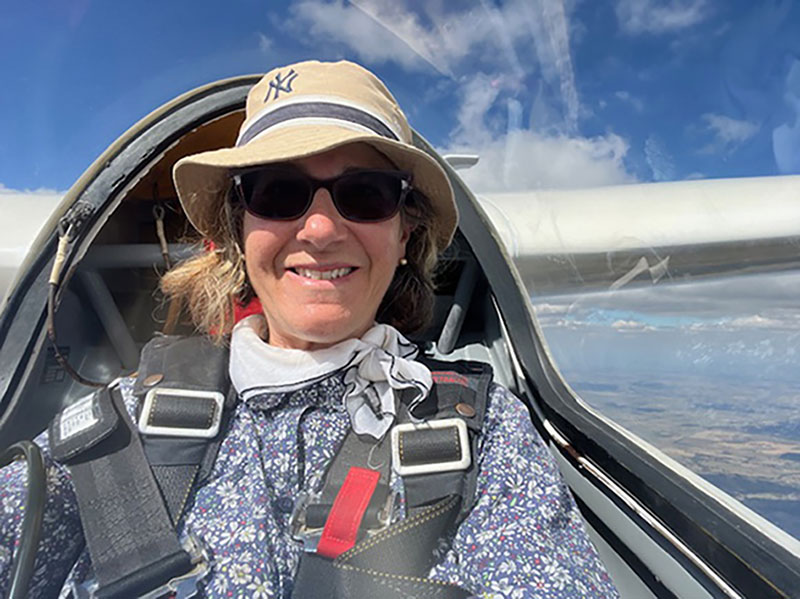
On reflection, my gliding experiences, beginning in Woomera GC in 1971 up to Canberra GC in 2026, have given me helpful insights in my Navy career and post-retirement activities, and vice versa. Gliding has been so exciting and inspiring, enjoyed mostly safely. As GAus Safety Manager I have worked with so many amazing people, harvested their wisdom and expertise, built teamwork, assisted others facing their most arduous and traumatic days.
Safety – People and Practise
We dealt with emergencies and their aftermath, worked collaboratively to build safer systems and practices. The integrated teams, across departments, across regions and clubs, through many motivated and talented individuals, have helped us deal with many safety issues and a few crises, too. In aggregate, it has been an immensely rewarding experience, notwithstanding a few rough days.
In gliding I do think we are now more risk-aware, better managed, with gliding safety insights constructively shared. When I look back to our recent Safer Skies Stronger Clubs event in Brisbane in April 2026, we were supported by eminent speakers and enormously talented individuals, and by CASA and industry participants. We gained valued insights into our risk issues and safety priorities, as well as tackling challenges in sustainability and growth, membership and communications, culture and sporting excellence.
In the Australian Safeskies 2026 Conference in May 2026 with government and industry, plus other sporting aviation groups and safety professionals, we shared insights into safety performance data and analysis, and built strategic relationships. While we know improvements are needed, GAus is seen as a very credible ASAO with forward-looking ideas and priorities.
Contributing to the Safety Space
I know well that when we are on the flight line, at the launch point, or soaring in the air, we are pursuing personal rewards and shared enjoyment. We’re not concerned with bureaucracy and official stuff. Yet we all benefit from the efforts of good people seeking to preserve our freedom to fly in shared airspace, safely, in high performance gliders, with more autonomy and fewer encumbrances. Great teams are working in the background to enable that to happen.
So, looking ahead, what’s happening? What is being built in the safety space?
CASA is publishing a Gliding and Glider Towing Sector Safety Risk Profile (SSRP) and accompanying Risk Bow Tie diagrams on their website. We had a workshop on these during our Safer Skies Stronger Clubs event. We will use these constructively to back safety submissions, cases for change.
Much GAus team effort is going into safety submissions, engagement with authorities and development projects on changes to airspace, and infrastructure developments affecting gliding aerodromes, competition and cross-country safety. We are pushing hard to move or limit low level obstructions, deconflict with other air traffic, change waypoints and airspace design, update ERSA entries, issue NOTAMs, improve chart markings and gliding information shared with other aviators.
We are active members of the CASA Runway Safety Working group for Non-Controlled Aerodromes, dealing with multiple environmental, wildlife, aerodrome maintenance, radio and operational risk drivers, particularly in shared aerodromes. We have ensured the focus is not just on Certified Non-Controlled Aerodromes, subject to CASR Part 139, but also Non-Certified Aerodromes as used by many gliding clubs.
Key Documentation
GAus is also represented with ASAOs on the CASR Part 103 Manual of Standards (MOS) Technical Working Group, which affects sporting aviation aircraft including gliders flying VFR under CASR Part 91. This in turn affects minimum equipment levels and airspace access, plus our systems of operation and maintenance. We are working to defend our existing systems, reduce any new burdens, and ensure reasonable safety and risk measures are implemented.
You will soon see a new Safety Priorities statement, informed by recent reviews of our safety priorities and key initiatives. That will support an update of MOSP5 SMS and GAus Emergency Response Plans. We have learned from recent hard-won experiences with serious accidents.
This brings us to recent and ongoing work on canopy safety, pre-launch checks and essential actions, training system improvements, low level training, straight in approach and circuit training, glider conversion training and briefings, better radio and airspace procedural training, powered sailplane safety, electric propulsion, crashworthiness – many interesting issues requiring great teamwork and safety focussed collaboration.
Pawnee maintenance, inspection and airworthiness issues, cost and risk drivers continue to get priority attention. That in turn has accelerated some clubs using combined aerotow and winch operations, and other clubs adopting new LSA towplanes. We have been working with RAAus to add new LSA towplanes to the list of approved types, within safe operating limits.
Working Toward the Future
Great work has been done to conduct webinars and develop guidance references for people involved with investigating gliding occurrences and accidents. Webinar recordings are available on the Gliding Australia YouTube channel. Improving safety reviews and audit checklists, and reporting system feedback has required much teamwork, initiative and upgrades to our IT systems and processes.
This review now brings me to succession. I have been GAus Safety Manager for five years now. While some extension is possible, the GAus CEO and Board will be glad to hear from interested people who would like to become constructively involved in this rewarding SM role, build on our progress, bring new experiences and expertise to build safer systems and practices. Info is available in the GAus Position Descriptions Manual ADMIN 0019, as well as MOSP5 SMS. You may soon see an Expressions of Interest document. There’s fun to be had, and I’m happy to facilitate a long handover, and grease the rails of corporate knowledge transfer.
Drew McKinnie
Safety Manager