By Anna Poroshenkova
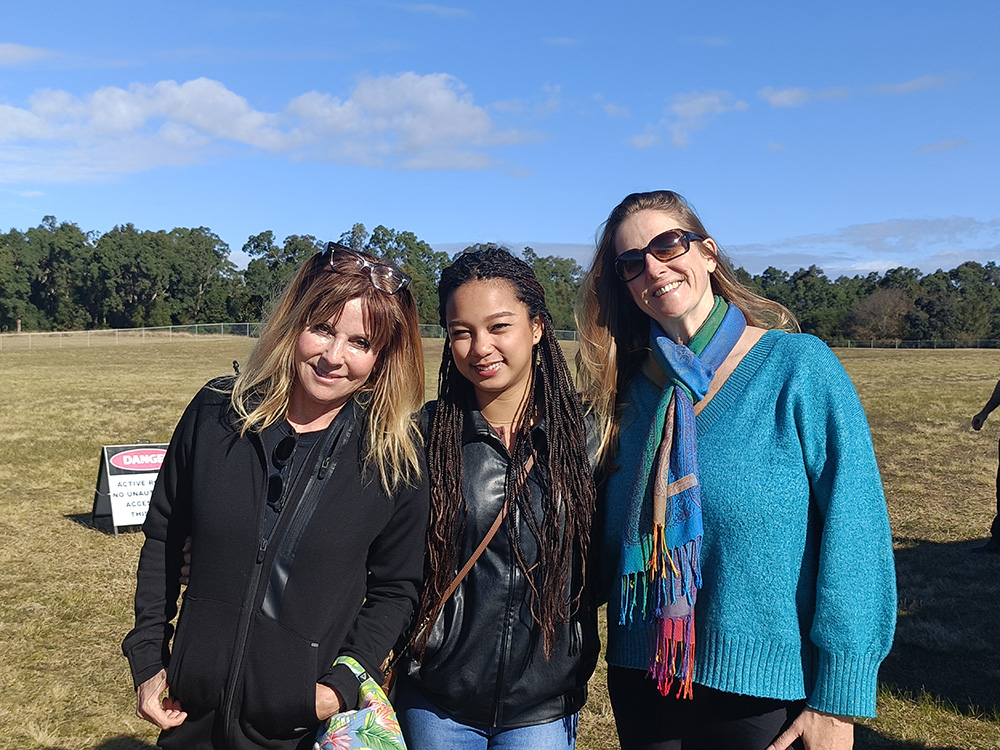
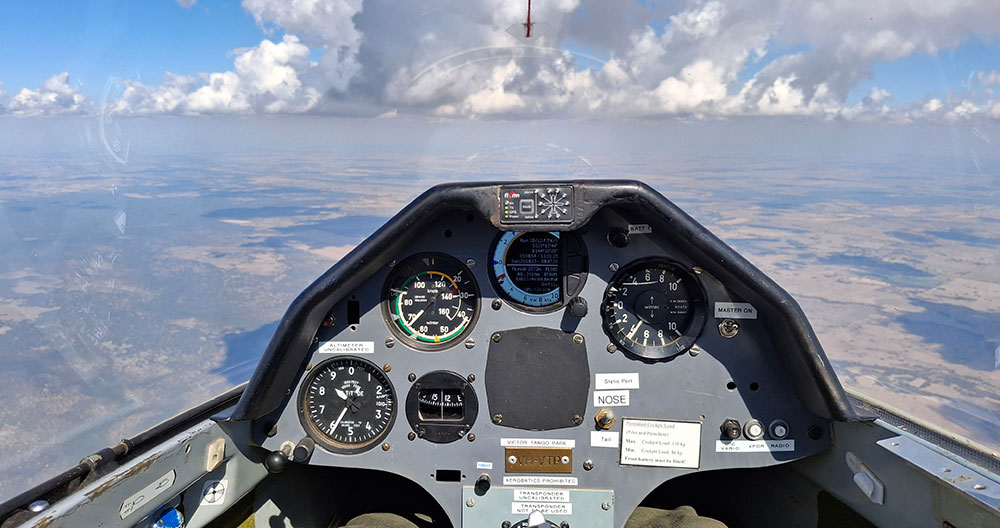
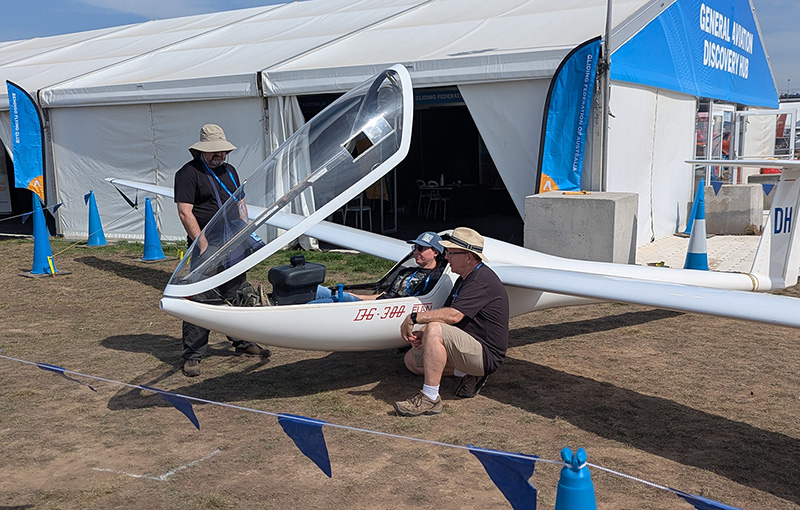
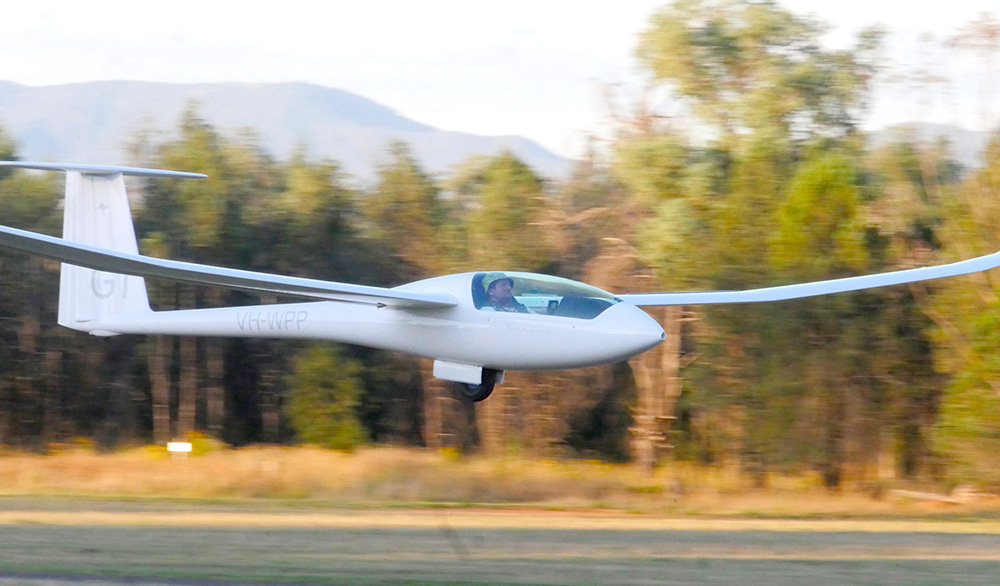
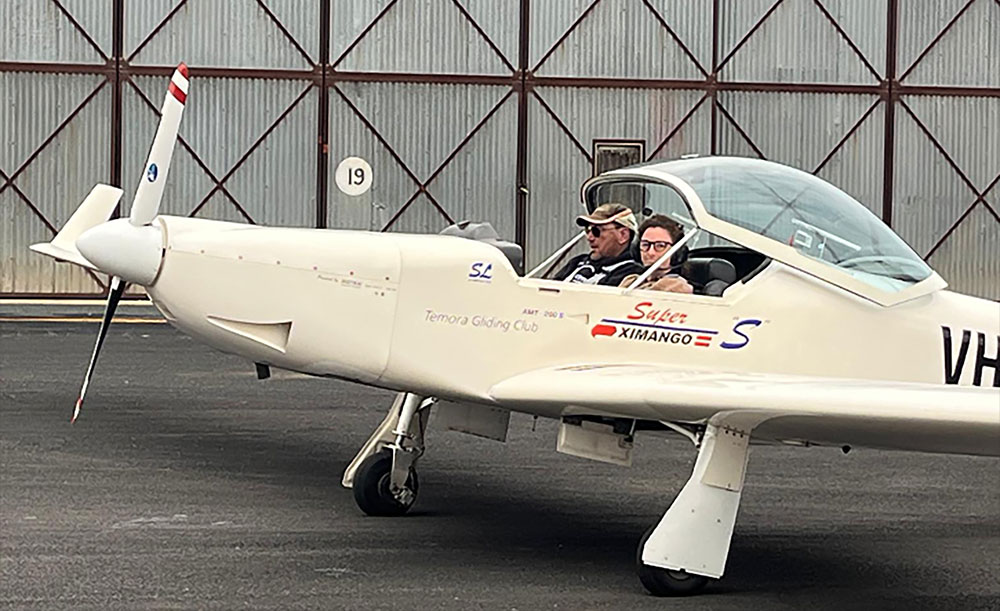
The weekend of 13-14 June, three women went to Temora Airfield for the outlanding training course instructed by Scott Lennon and organised by Melysha Turnbull. We were joined by David Mcllroy who was interested as well. The aircraft used for training was Scott’s Ximango, a Touring Morot Glider (TMG).
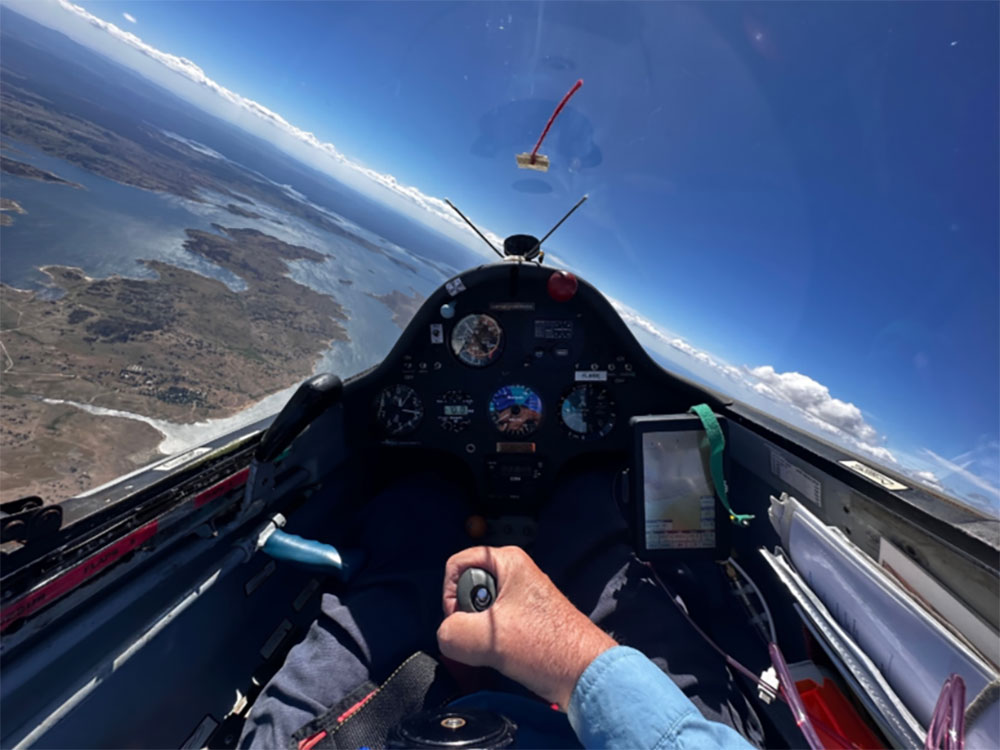
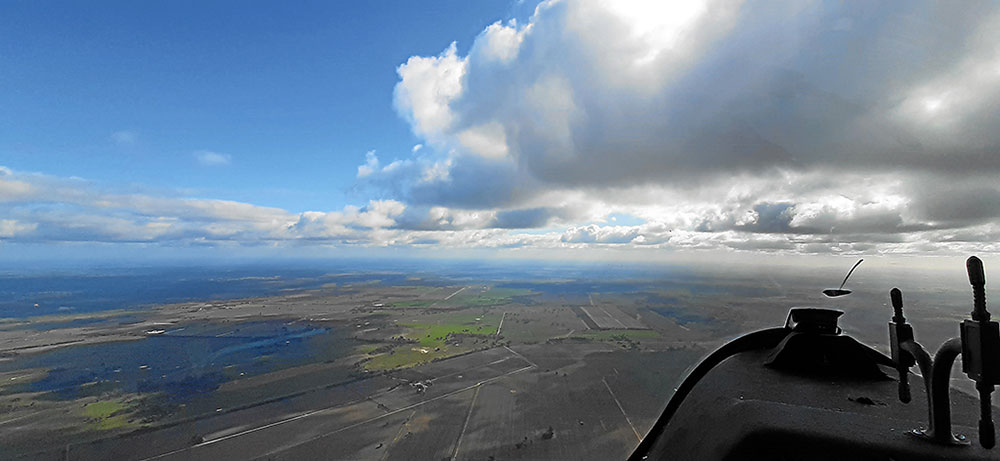
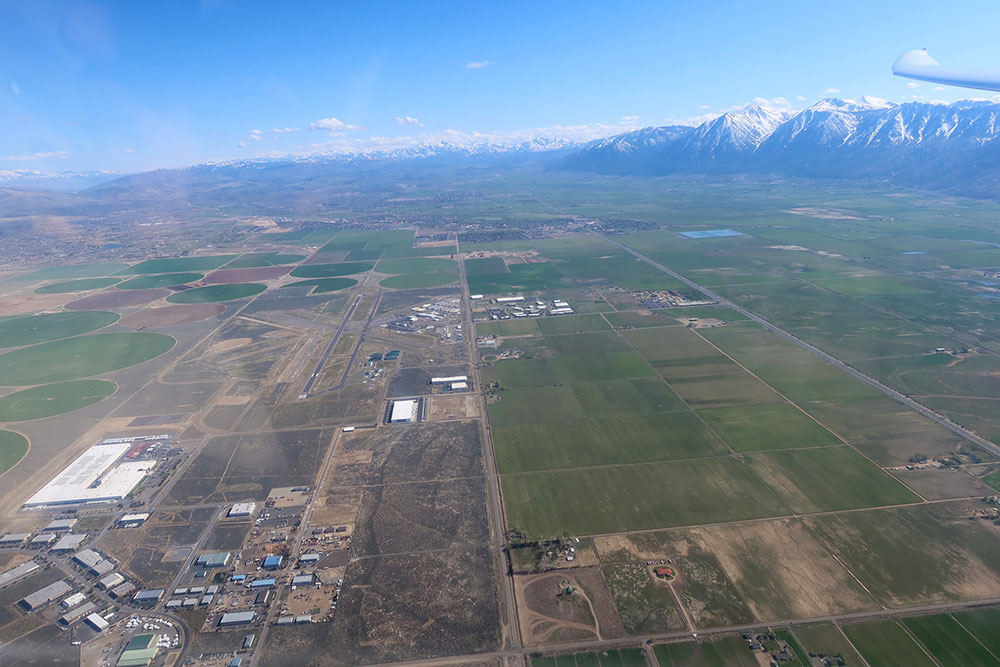
The goal was to simulate an actual outlanding situation as closely as possible without actually having to land. Flying at around 1,000-1,500 ft AGL, the task was to look for a suitable paddock and complete a full circuit until shortly before touchdown. The engine power would be reduced to approximately match the performance of a glider once the paddock was selected for the first approaches. Although in general, outlandings are often not really a surprise, circumstances may change rapidly and being able to adjust accordingly is certainly another valuable skill to practise.
As a result, after we got familiar with the exercise and the aircraft, sometimes Scott would cut the power suddenly, adding that bit of time pressure. The topic of thermals shortly before the altitude when you would commit to landing, or even during the circuit, was covered as well. Scott would play with the power to simulate lift, and leave us to decide whether to take the ‘thermal’ or to land, nonetheless.
Critical Briefings
Of course, we didn’t go into these exercises blindly. On Saturday morning, Scott gave an extensive and detailed briefing on the most important things to look out for, some of them based on unit 34 of the training syllabus. One of the focus points was the WSSSSSS check, but the basics such as timely landing checks and appropriately sized circuits were also notably less trivial under the given conditions.
After the briefing, each of the three of us went for a flight. The Ximango was very steady and easy to control, so it didn’t take long to get used to it. As for the weather, it was overcast with a moderate northerly wind and scarcely changed throughout the day. For this exercise, though, it was just fine. The day concluded with a social dinner with members of the Temora Gliding Club at the Temora Hotel.
Situational Awareness
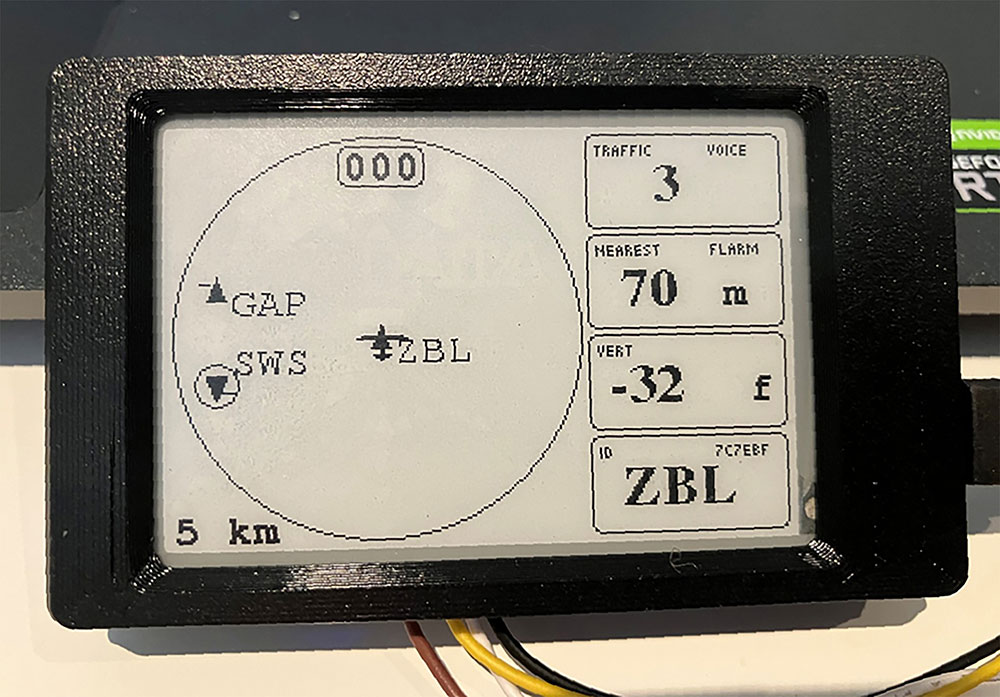
For Sunday, Scott prepared another presentation about situational awareness and the devices that can help increase it, such as FLARM, and some of their advantages and drawbacks. At least for me, as someone with little experience with the different kinds of those devices, it was extremely useful.
After that lesson, Scott gave us the awaited detailed debrief of our flights, discussing both the strengths and mistakes he noticed. Needless to say, for all of us, his observations were highly insightful and formed a valuable lesson for future flights and potential outlandings to come. It must have been good preparation for David as well, who at that point hadn’t had the chance to fly yet. He and Scott went directly afterwards following a quick lunch and, on their return, David’s feedback matched ours in terms of the learning value and simply the enjoyment of the flight in general. That concluded the weekend and the training.
Learning Opportunity
A thank you is in order first and foremost to Scott both for the time and immense effort that went into the preparation and the flights themselves, especially considering they were done one after the other with barely any break. He managed to make something that must’ve been a huge mental load look so easy, a combination of noting feedback points with the condition simulation and checking the quality of the paddocks as well.
Though we all had different levels of both general and outlanding experience, Scott managed to make the training an excellent learning opportunity for all of us. I think I can speak for the others when I say that we took away so much from that one hour flight!
Naturally, thanks is also due to Melysha for organizing the event and making it happen in the first place, and to NSW Gliding for covering the flights. Thank you also to everyone who showed up and the members of Temora Gliding Club for being a part of it!